Asbestos Inspections Brisbane: What Queensland Businesses Need to Know
From 1 August 2024, Workplace Health and Safety Queensland began auditing businesses operating from buildings constructed before 1990 for asbestos compliance. For Brisbane businesses, that is a practical reminder that asbestos management is not a background issue. It is an active compliance duty.
If your workplace operates from an older commercial building, warehouse, strata-managed site or mixed-use property, an asbestos inspection is often the starting point. It tells you what materials may contain asbestos, where they are located and what records you need to keep current. For many Queensland businesses, that means updating an asbestos register, preparing a management plan and making sure contractors are not working blind.
Quality Building Management, or QBM, provides asbestos inspections, asbestos compliance support and emergency planning services in Brisbane. For property owners, facility managers and strata contacts, the main value of an inspection is clarity. You need to know what is in the building before you can manage the risk properly.
Why asbestos inspections still matter in Brisbane
A surprising number of Brisbane workplaces still operate from buildings built decades before the 2004 cut-off commonly used in Queensland asbestos guidance.
Queensland requires the person with management or control of a workplace to identify asbestos, indicate its location and record it in an asbestos register. If asbestos has been identified, or is likely to be present, that same duty extends to a written asbestos management plan. The Queensland asbestos regulator also notes that this requirement applies to workplace buildings and certain structures built before 31 December 2003. From a practical compliance point of view, older premises need attention, not assumptions.
That is especially relevant in Brisbane suburbs with older commercial stock, industrial sheds and long-held strata properties. A refurbishment in Spring Hill, a retail tenancy in Wynnum or a warehouse in Rocklea may all present different asbestos risks depending on age and past alterations.
What an asbestos inspection actually does
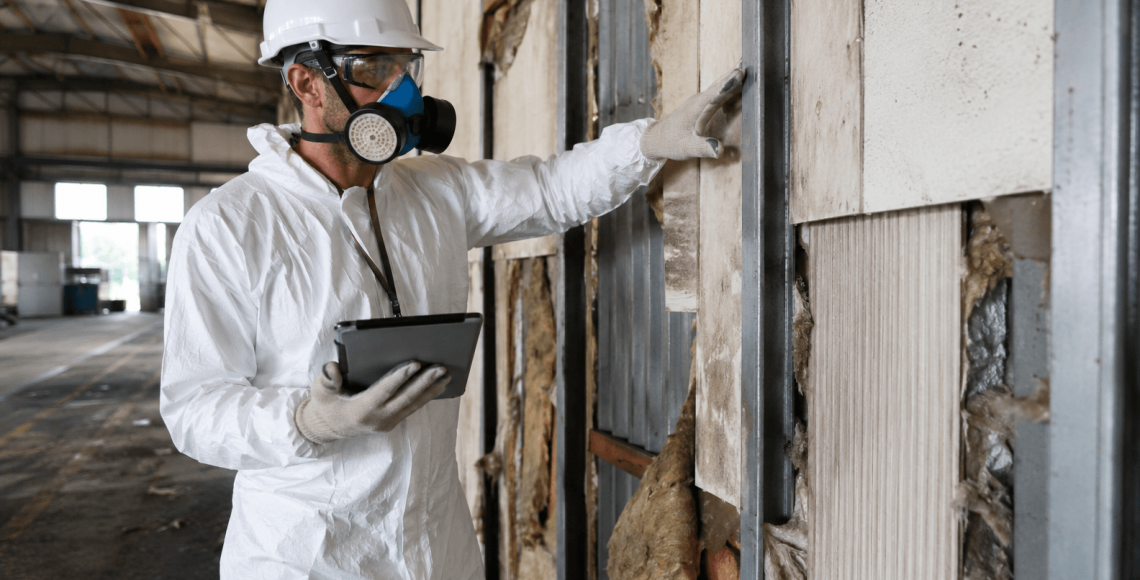
An asbestos inspection is a structured survey of the building and relevant accessible materials.
The aim is to identify materials that contain asbestos or are presumed to contain asbestos, record their location and assess their condition. This is what allows a business to move beyond guesswork. If an older switchboard backing panel, eaves lining, vinyl flooring substrate or cement sheeting is present, that needs to be documented clearly.
A proper inspection also supports the records that Queensland businesses may already be required to hold. If you need an asbestos register or need to update one before maintenance works, leasing changes or contractor access, an inspection provides the evidence base for that register.
QBM’s asbestos inspections service fits into that process by helping Brisbane businesses identify what is in the property and what actions should follow.
Which Brisbane properties are most likely to need asbestos inspection
Not every building carries the same level of asbestos risk, but some categories come up repeatedly.
Older commercial buildings
Office buildings, shopfronts and small commercial premises built before 2004 often contain legacy materials, especially if parts of the fit-out have remained in place for years.
Industrial sites and warehouses
Warehouses and light industrial buildings in Brisbane frequently include asbestos cement products in walling, roofing, plant rooms or service areas.
Schools, community buildings and healthcare-adjacent sites
Any older facility used as a workplace needs careful review, especially where maintenance teams, contractors and service providers regularly access the site.
Strata and mixed-use properties
Queensland’s asbestos guidance notes that most strata title bodies corporate are excluded from the WHS definition of a PCBU in some circumstances, but if a structure is also used as a workplace the compliance picture changes. That is one reason strata managers in Brisbane should assess each property carefully rather than relying on general assumptions.
Queensland asbestos law is pushing businesses to be more proactive
This is not only about best practice. Queensland regulators have made the issue more visible.
WorkSafe Queensland announced that from 1 August 2024 inspectors would begin auditing businesses in pre-1990 buildings, or buildings likely to contain asbestos, to check compliance with asbestos regulations. Later reporting from the same regulator said inspectors carried out 182 compliance reviews between 1 August and 31 October 2024, focusing on commercial businesses required to have an asbestos register and management plan for workplaces built before 1990. That tells Brisbane businesses something important: enforcement is active, and older sites are firmly in scope.
For a business owner or building manager, that makes delay harder to justify. If your records are incomplete or the building has never had a current asbestos inspection, that gap is now easier for a regulator to find.
The difference between an asbestos register and an asbestos management plan
These terms are often used together, but they do different jobs.
An asbestos register records the identified or presumed asbestos in the workplace. It should show where the material is located and help people understand what is on site.
An asbestos management plan explains how that risk will be managed. It sets out control measures, review procedures and practical rules for maintenance, access and disturbance prevention.
Queensland guidance is clear that if asbestos has been identified, or is likely to be present, a written management plan is required. That is why an inspection is only the first step. Once asbestos is identified, the records and management process need to follow.
For Brisbane businesses that already know asbestos may be present, QBM’s asbestos management plan service is the natural next step after inspection.
Why asbestos inspections matter before maintenance or renovation
A lot of asbestos risk is created during otherwise routine work.
Air-conditioning upgrades, electrical works, cabling, signage installation, plumbing repairs and tenancy refurbishments can all disturb hidden asbestos-containing materials if nobody has checked first. The problem is rarely the existence of the material alone. The problem is accidental disturbance during work.
That is why inspections are especially important before:
- demolition or strip-out work
- service penetrations through walls or ceilings
- roof repairs
- flooring replacement
- plant or switchboard upgrades
- contractor mobilisation on older sites
Brisbane businesses should not wait until the builder, electrician or plumber is already on site. By then, the timing pressure is wrong and the compliance risk is higher.
What good asbestos compliance looks like in practice
Compliance is usually less dramatic than people think. It is a matter of having the right information, keeping it current and using it properly.
In practice, a compliant Brisbane workplace usually has:
- a current understanding of whether asbestos is present
- an asbestos register where required
- a written management plan where asbestos is identified or likely
- clear communication to contractors and maintenance personnel
- a review process when building conditions change
That is why asbestos compliance is a management issue as much as a technical one. A register locked away in an old file is not enough if nobody refers to it before works begin.
Brisbane strata managers have a special reason to stay organised
Strata and body corporate settings often create confusion because responsibility is shared across managers, committees, owners and contractors.
In older Brisbane complexes, especially those with mixed residential and commercial uses, asbestos records can be incomplete, outdated or scattered between previous service providers. That creates risk during maintenance approvals and common-area works. Even where WHS duties vary depending on the site’s legal status, the practical need to know what materials are present does not go away.
A current inspection helps strata managers answer basic questions faster. What materials are in the riser cupboard? Can the contractor drill this wall? Does the common-area ceiling contain asbestos sheeting? Without inspection records, those answers become guesswork.
Asbestos inspections are part of broader building compliance
Businesses that manage older buildings often need more than one compliance system working at once.
Asbestos records, emergency plans and fire evacuation procedures all form part of the same basic duty: making sure the building is safe to occupy and maintain. Queensland workplaces must prepare and maintain emergency plans under the Work Health and Safety Regulation 2011, and AS 3745:2010 remains the key Australian Standard for planning emergencies in facilities.
That is why many Brisbane businesses review asbestos and emergency planning together, especially when updating site records or preparing for audits. If your property also needs emergency documentation, QBM supports that side of compliance as well.
Choosing the right next step
For most Brisbane businesses, the first question is simple: do we actually know what is in this building?
If the answer is no, an asbestos inspection is the right place to start. If the answer is maybe, but the records are old or incomplete, it is still worth reviewing them now. Queensland’s asbestos duties are not new, but the recent audit focus means older buildings are getting more attention than before.
If you are responsible for an older workplace, commercial tenancy or strata-managed property in Brisbane, the sensible next move is to review your current records, confirm whether an inspection is up to date and contact QBM if you need a clearer compliance position.
FAQs
Who needs an asbestos inspection in Brisbane?
Brisbane businesses operating from older buildings, especially pre-2004 properties, should consider an asbestos inspection if they do not have current records or expect maintenance or refurbishment works.
Does Queensland law require an asbestos register?
Yes, where asbestos is identified or likely to be present in a workplace, Queensland requires the person with management or control to record it in an asbestos register.
What is the purpose of an asbestos management plan?
An asbestos management plan explains how identified or presumed asbestos will be managed, monitored and communicated so the risk of disturbance is controlled.
Are WorkSafe Queensland asbestos audits still relevant?
Yes. WorkSafe Queensland began auditing pre-1990 buildings from 1 August 2024, and later reported active compliance reviews across the state.
Do strata properties in Brisbane need asbestos records?
Many do in practice, especially where older common property or mixed-use areas are involved. The exact legal duty can vary, but current asbestos information is still important for maintenance and contractor safety.
When should a business book an asbestos inspection?
Before maintenance, renovations, contractor works or any major compliance review is the best time. Waiting until work has already started creates unnecessary risk.