The Difference Between a Building Defects Report & A Dilapidation Report?

A building defects report and a dilapidation report are often confused because both involve detailed inspections of a property and the identification of structural issues, cracks, damage, or defects. However, while they may appear similar on the surface, they are designed for very different purposes. Understanding the difference between a building defects inspection and a dilapidation report is important for property owners, builders, developers, contractors, body corporates, and project managers across Brisbane and South East Queensland.
A building defects report is a comprehensive assessment of a property designed to identify existing building defects, maintenance concerns, structural issues, water ingress, cracking, movement, poor workmanship, or areas requiring repair and rectification. These reports are commonly requested when purchasing property, investigating structural concerns, preparing maintenance schedules, or managing warranty disputes. A building defects inspection helps determine the overall condition of a residential, commercial, or industrial building and can assist property owners in prioritising repairs and protecting the long-term value of their investment.
A dilapidation report, on the other hand, is specifically prepared to document the existing condition of a property before nearby construction, demolition, excavation, civil works, roadworks, or infrastructure projects commence. The purpose of a dilapidation survey is not necessarily to identify repair requirements, but rather to create an accurate record of the property’s condition prior to works beginning. This protects builders, contractors, developers, councils, and property owners from disputes relating to alleged construction damage.
In Brisbane and surrounding areas, dilapidation reports are frequently required before excavation works, basement construction, road upgrades, retaining wall construction, piling works, demolition projects, or major residential and commercial developments. Many government infrastructure projects and commercial construction contracts require mandatory pre-construction dilapidation reports for neighbouring properties.
Why Are Dilapidation Reports Important?
A professional dilapidation report provides legal and practical protection for all parties involved in a construction project. Construction activities such as excavation, heavy machinery operation, vibration, piling, drilling, demolition, and earthworks can potentially impact neighbouring buildings and structures. Even minor vibration can lead to cracking, movement, or cosmetic damage in adjoining properties, particularly in older buildings.
Without a documented pre-construction dilapidation survey, disputes can quickly arise if neighbouring owners believe damage has occurred due to nearby works. In many cases, property owners may not have been aware of pre-existing defects, cracks, settlement issues, or structural movement until construction activity begins nearby.
A detailed dilapidation inspection ensures the existing condition of adjoining buildings is properly documented before work starts. This creates an independent record supported by detailed notes, engineering observations, and photographic evidence. If concerns arise during or after construction, the report can be used to determine whether any damage was pre-existing or directly related to the construction works.
For maximum protection, many contractors and developers choose to complete both pre-construction and post-construction dilapidation reports. A post-construction dilapidation inspection allows direct comparisons between the property’s condition before and after the works have been completed.
What Does a Dilapidation Report Include?
A professional dilapidation building report typically includes a detailed inspection of all accessible areas of affected neighbouring properties. This may include residential homes, apartment buildings, commercial buildings, retaining walls, fences, driveways, footpaths, garages, swimming pools, and external structures located near the proposed works.
A Brisbane dilapidation report commonly includes:
- Detailed inspection of adjoining and neighbouring properties
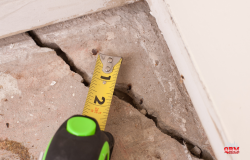
- Identification of existing cracks, defects, movement, or damage
- High-resolution photographic evidence
- Notes regarding structural condition and visible defects
- Condition assessments of walls, ceilings, floors, pavements, fences, and external structures
- Defect location mapping and documentation
- Pre-construction and post-construction comparison reporting
- Engineering certification where required
- Coordination with contractors, builders, and project managers
- Formal written dilapidation survey documentation suitable for legal and contractual purposes
At QBM, our experienced team manages the entire inspection process on behalf of builders, contractors, developers, body corporates, and property owners. We coordinate access with owners and tenants, complete thorough on-site inspections, and provide comprehensive dilapidation reports tailored to the specific requirements of each project.
Our pre-construction dilapidation reports include:
- Full coordination of inspection schedules with contractors and stakeholders
- Thorough on-site assessment of adjoining properties
- Identification and documentation of all visible defects and existing damage
- Detailed photographic reporting
- Precise defect location references
- Comprehensive written condition reports
- Engineering certification where required
Our post-construction dilapidation reports include:
- Full coordination of re-inspection schedules
- Comparative assessment of property conditions before and after works
- Identification of any new defects or changes
- Updated photographic documentation
- Detailed comparison reporting
- Engineering certification where necessary
When Do You Need a Dilapidation Report?
Dilapidation reports are commonly required before:
- Excavation and earthworks
- Demolition projects
- Road and civil infrastructure works
- Basement construction
- Retaining wall installation
- Commercial developments
- Residential construction projects
- Piling and vibration-intensive works
- Large-scale renovations
- Government infrastructure projects
If your project has the potential to impact neighbouring properties through vibration, movement, excavation, or structural disturbance, a pre-construction dilapidation report is strongly recommended.
Similarly, property owners may also request independent dilapidation surveys if they are concerned about nearby construction activities affecting their property.
Who Can Prepare a Dilapidation Report?
A dilapidation report should be prepared by an experienced and independent building consultant, surveyor, engineer, or property inspection specialist with knowledge of structural movement, building defects, and construction risk assessment.
At Quality Building Management, we provide professional dilapidation reports and building defect inspections throughout Brisbane and South East Queensland. Our experienced team delivers accurate, detailed, and cost-effective reporting solutions designed to protect contractors, developers, builders, and property owners alike.
Why Choose Quality Building Management?
At QBM, we understand the importance of accurate reporting, clear documentation, and timely inspections. Our experienced building consultants provide detailed Brisbane dilapidation reports that meet contractual, engineering, and legal requirements while ensuring all parties are properly protected throughout the construction process.
We pride ourselves on delivering:
- Professional and independent reporting
- Fast turnaround times
- Detailed photographic evidence
- Comprehensive defect documentation
- Experienced building and construction knowledge
- Competitive pricing
- Fully insured inspection services
- Reliable communication with contractors and property owners
Whether you require a pre-construction dilapidation report, post-construction assessment, building defects inspection, or structural condition report in Brisbane, QBM has the experience and expertise to assist.
Contact Quality Building Management today to discuss your project and arrange a professional dilapidation inspection tailored to your needs.