Asbestos Management Plan Queensland: Why a Register Is Not Enough

An asbestos register tells you where asbestos is. An asbestos management plan tells you what your business will do about it.
That distinction matters for Brisbane businesses because Queensland law does not stop at identification. If asbestos has been identified at a workplace, or is likely to be present, the person with management or control of the workplace must also have a written asbestos management plan. For older offices, warehouses, schools, strata-managed sites and commercial premises, a register without a plan leaves a gap right where the risk becomes practical.
Quality Building Management helps Brisbane clients prepare asbestos management plans as part of broader compliance support. The goal is not to create a long document no one uses. It is to create a site-specific plan that guides maintenance, contractor access and day-to-day risk control.
Why an asbestos management plan matters
Asbestos risk usually becomes real when someone disturbs material that should have been left alone or handled under controls.
That can happen during small maintenance jobs just as easily as major refurbishments. A broken ceiling panel, a cabling job in a riser, a plumbing repair in a wet area or a roofing fix can all create exposure if the site has no clear plan for known or presumed asbestos.
The asbestos management plan is the document that sets out how the workplace will prevent that. It turns identification into action.
For Brisbane businesses, that matters because older buildings are still widely used across commercial and mixed-use property. Knowing the building has asbestos is only useful if staff, contractors and managers know how to work around it safely.
Queensland requires more than an asbestos register
Queensland guidance is clear on this point.
The person with management or control of a workplace must identify asbestos, indicate its location and record it in a register. If asbestos has been identified at the workplace, or is likely to be present from time to time, a written asbestos management plan is also required. That requirement sits within the Work Health and Safety framework that governs Queensland workplaces and is supported by the How to Manage and Control Asbestos in the Workplace Code of Practice 2021.
This means a Brisbane business cannot assume that having an old register on file is enough. If asbestos is present, the management response must also be documented.
What an asbestos management plan should cover
A good plan is practical, not generic.
It should explain how the asbestos-containing materials identified in the workplace will be managed so they are not disturbed and do not create a risk to health. The exact format can vary, but the plan usually needs to address how the site will monitor condition, communicate asbestos information and control works that may affect those materials.
In practical terms, that often includes:
- who is responsible for asbestos management on site
- how the asbestos register will be accessed and used
- how the condition of asbestos-containing materials will be monitored
- what controls apply to maintenance, repair or contractor works
- how incidents, damage or accidental disturbance will be handled
- when the plan and related records will be reviewed
That level of detail is what makes the plan useful in Brisbane workplaces with regular servicing, leasing activity or contractor access.
The plan starts with a current inspection and register
A management plan cannot be accurate if the building information behind it is weak.
That is why the first step is usually an asbestos inspection or survey, followed by a current asbestos register. Once the building materials are identified and recorded, the management plan can describe how that risk will be controlled in practice.
For many Brisbane businesses, the problem is not that no plan has ever existed. It is that the plan was built on outdated site information. Refurbishments, access changes, damaged materials and tenancy alterations can all make an older plan less reliable.
QBM’s asbestos inspections service supports the inspection side of that process.
Why generic templates often fail
An asbestos management plan should reflect the actual site, not just the law in the abstract.
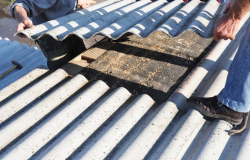
A generic template may mention responsibilities and reviews, but it often says little about the real building, the location of known materials or the specific maintenance patterns that create risk. That is a problem in practice. A Brisbane warehouse with asbestos cement sheeting in service areas needs a different management emphasis from a city office suite with asbestos-backed electrical boards and legacy vinyl products.
The plan needs to fit the site. Otherwise it becomes a paper exercise, and paper exercises do not help contractors make safe decisions.
Brisbane businesses should think about contractors first
One of the easiest ways to judge whether a management plan is useful is to ask a simple question: would this document help the next contractor who walks in?
If the answer is no, the plan probably needs work.
Contractors are often the people most likely to disturb asbestos accidentally because they are the ones opening up walls, removing panels, accessing roofs or cutting into services. A good asbestos management plan supports inductions, permits, work approvals and access to the asbestos register before work starts.
That is why businesses with frequent maintenance activity, such as schools, body corporate sites, retail centres and industrial properties, benefit from clearer planning than businesses first assume.
WorkSafe Queensland audits have raised the stakes
Queensland’s recent asbestos compliance focus has made management plans more visible.
WorkSafe Queensland began auditing businesses from 1 August 2024, targeting buildings constructed before 1990 and those likely to contain asbestos. Later regulator reporting said 182 compliance reviews were carried out between 1 August and 31 October 2024, with a focus on commercial businesses required to have an asbestos register and management plan.
For Brisbane businesses, that changes the tone of the conversation. This is no longer just about future best practice. It is about current regulator attention on whether records and plans actually exist.
Strata and managed sites need role clarity
Asbestos management is often harder in managed properties because several parties may touch the building.
Strata managers, committees, lot owners, facilities managers, contractors and tenants can all be involved in works or maintenance decisions. In older Brisbane complexes, especially mixed-use sites, the practical risk is that everyone assumes someone else has the plan.
A current asbestos management plan helps solve that by clearly recording responsibilities, document access and escalation steps. It also helps managers deal with routine questions faster, especially before common-area maintenance or tenancy alterations.
Asbestos planning connects to wider compliance
Building compliance rarely sits in one document alone.
Brisbane businesses managing older premises often need asbestos records, contractor controls and emergency documentation working together. Queensland workplaces must also prepare and maintain emergency plans under the Work Health and Safety Regulation 2011, and AS 3745:2010 remains the main planning framework for emergencies in facilities.
That matters because incident response is part of asbestos risk as well. If material is damaged unexpectedly, site management needs a clear response path. Businesses already reviewing one compliance area often review the others at the same time.
If your site also needs emergency documentation, QBM can support that work.
When to review an asbestos management plan
A plan should be reviewed whenever the site changes in a way that could affect asbestos risk or management.
That may include:
Renovations or refurbishments
Works can expose new materials, remove old ones or alter access paths.
Material damage
Leaks, impact or deterioration can change the risk level of known asbestos.
Changes in site control
A new property manager or facilities team may inherit incomplete procedures.
Updated inspections
If the register changes, the management plan should reflect those changes too.
Regulator attention or audit preparation
A review before an audit is better than trying to defend outdated records afterward.
A register identifies, a plan manages
That is the simplest way to think about it.
The register tells your Brisbane business what asbestos is present. The management plan explains how your team, contractors and building users will avoid turning that information into an incident. Both are necessary when asbestos is identified or likely to be present.
If your site has an asbestos register but no current plan, or if the plan no longer reflects the building as it stands today, that gap is worth fixing now. For Brisbane businesses and strata managers wanting clearer compliance, contact QBM.
FAQs
What is an asbestos management plan in Queensland?
It is a written document that explains how asbestos identified, or likely to be present, at a workplace will be managed to prevent exposure.
Do I need a management plan if I already have an asbestos register?
Yes, if asbestos is identified or likely to be present, the register and the management plan are both required.
Who is responsible for the asbestos management plan?
The person with management or control of the workplace is responsible for ensuring the plan is prepared and kept current.
Can I use a generic asbestos management plan template?
A template may help with structure, but the plan should be specific to the building, the materials present and the way the site is maintained.
When should an asbestos management plan be reviewed?
It should be reviewed after renovations, damage, updated inspections or changes in site control, and whenever the current plan no longer reflects the property.
Why does an asbestos management plan matter for contractors?
It helps ensure contractors know where asbestos is located and what controls apply before they begin work that could disturb it.